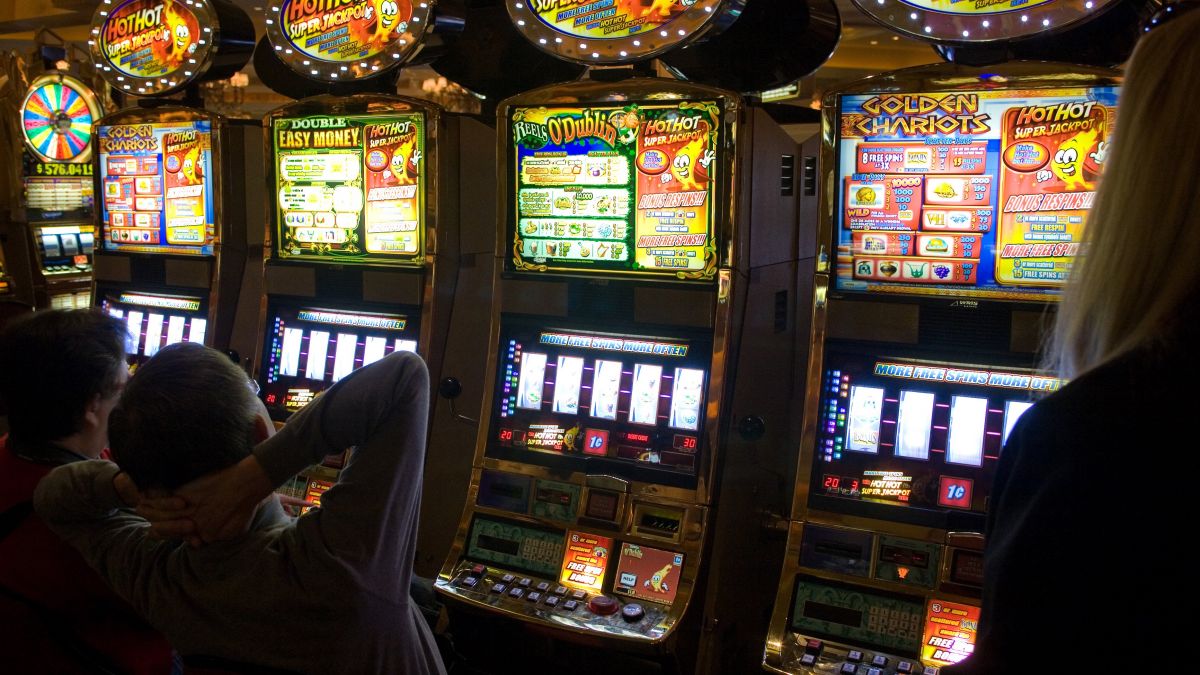
The historical evolution of casinos from ancient gaming to modern extravagance
The historical evolution of casinos from ancient gaming to modern extravagance
The Origins of Gaming
The concept of gaming can be traced back to ancient civilizations, where games of chance served as both entertainment and a means of social interaction. The earliest known gambling activities date back to around 3000 BC in China, where rudimentary dice made from bone were used. Similarly, archaeological findings in Mesopotamia reveal that ancient cultures used various forms of betting, demonstrating the long-standing human fascination with games of luck. Today, many enjoy australia online casinos that echo these ancient traditions while offering modern gaming experiences.

These early games often featured simple structures and were primarily focused on chance rather than strategy. As societies evolved, so did the complexity of these games. The Romans, for instance, introduced more sophisticated betting systems, incorporating elements of skill and strategy that laid the groundwork for future gaming developments. The combination of chance and skill in these early games is a theme that persists in casino games today.
The Rise of Formal Casinos
The first formal casinos emerged in the 17th century, primarily in Italy. The establishment of the Casino di Venezia in 1638 marked a significant shift from informal gaming to organized gambling establishments. This period saw the birth of card games such as baccarat and the refinement of table games that would dominate the casino scene for centuries to come.
As gambling spread across Europe, different countries developed their unique casino cultures. France, for instance, became renowned for its roulette wheel, which added an element of excitement and allure to the gaming experience. This formalization of gambling not only attracted players seeking thrills but also the attention of aristocrats, leading to a burgeoning social scene around casinos.
The American Casino Boom
The 20th century marked a significant turning point in the history of casinos, particularly in the United States. The legalization of gambling in Nevada in 1931 transformed Las Vegas into a global gambling destination, drawing millions of visitors seeking fortune and entertainment. This era saw the emergence of iconic casinos, blending opulent architecture with extravagant shows, setting the standard for modern casinos.
The introduction of slot machines in the mid-20th century further revolutionized the gambling landscape. These machines appealed to a broader audience, making gambling accessible to those who may not have understood table games. The combination of live entertainment and innovative gaming options solidified Las Vegas’s reputation as the ultimate gambling mecca, inspiring similar developments in other parts of the world.
The Digital Revolution of Gambling
With the advent of the internet in the late 20th century, the casino industry underwent another monumental transformation. Online casinos emerged, allowing players to enjoy their favorite games from the comfort of their homes. This digital shift not only expanded the reach of gambling but also introduced a variety of new gaming formats, including live dealer games that simulate the physical casino experience.
Online gaming platforms have also brought about significant advancements in technology, enhancing user experience with high-definition graphics and seamless gameplay. Additionally, the rise of mobile gaming has made it possible for players to gamble on-the-go, ensuring that the thrill of gaming is always within reach. This evolution demonstrates how the casino industry continues to adapt to changing technologies and consumer preferences.

Exploring Modern Casino Trends
Today, casinos are not merely places for gambling; they are entertainment hubs that offer a myriad of experiences, from luxurious dining to world-class entertainment. Modern casinos are designed to create an immersive atmosphere where guests can enjoy gaming, shows, and dining in one location. This diversification has made them popular destinations for not just gamblers but also families and tourists seeking a unique experience.
Moreover, the integration of technology continues to shape the casino landscape. From cashless payment systems to virtual reality gaming experiences, the future of casinos is likely to be defined by innovation. As the industry progresses, it maintains its allure as a space for excitement and luxury, reflecting the ongoing evolution of entertainment preferences in society.