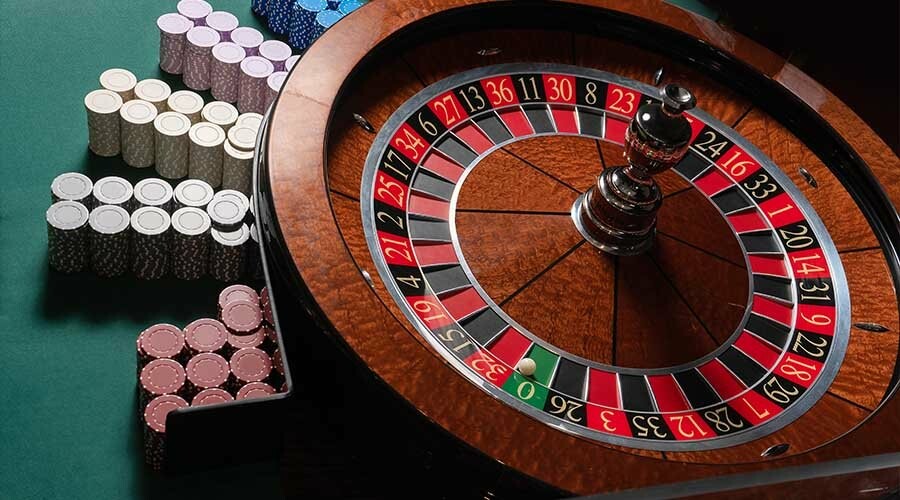
Gambling's cultural impact How games of chance shape societies worldwide
Gambling's cultural impact How games of chance shape societies worldwide
Historical Perspectives on Gambling
Throughout history, gambling has played a significant role in various cultures around the globe. Ancient civilizations, such as the Chinese, Greeks, and Romans, engaged in games of chance not only for entertainment but also as a means of socialization and community bonding. These early forms of gambling often intersected with religious practices, where games were used to predict outcomes or divine favor, emphasizing the deep-rooted connection between chance and belief systems. Today, the industry has evolved significantly, making it easier for players to find the best new casinos tailored for their interests.

The evolution of gambling reflects changing societal norms and values. In the Middle Ages, games of chance became associated with nobility, while in other cultures, they were linked to the working class. As societies modernized, gambling transformed into a commercial enterprise, with the establishment of casinos and betting houses, thus shaping local economies and cultural identities.
Gambling and Economic Influence
The economic impact of gambling is profound, with many countries relying on it as a significant source of revenue. Legalized gambling generates jobs, stimulates tourism, and increases local and national tax revenues. For instance, cities that embrace gaming often witness an influx of visitors, boosting restaurants, hotels, and retail businesses, creating a symbiotic relationship between gambling and economic growth.
However, this economic boon is not without challenges. The rise of gambling can lead to social issues, including addiction and financial instability for some individuals. Policymakers must balance the economic benefits of gambling with the potential social costs, creating regulations that promote responsible gaming practices while fostering growth.
Gambling in Popular Culture
Gambling has a prominent place in popular culture, influencing literature, film, music, and art. Movies like “Casino Royale” and “Rounders” romanticize the world of poker and betting, attracting audiences to the thrill and excitement associated with gambling. This portrayal shapes societal perceptions, often glamorizing the highs and lows of games of chance.
Moreover, literature and art frequently explore the themes of risk and fate associated with gambling. From Shakespeare’s plays to contemporary novels, the metaphor of gambling serves as a lens through which human behavior, morality, and consequences are examined, reflecting cultural attitudes towards chance and uncertainty.
Social Implications of Gambling
Gambling carries significant social implications, influencing relationships, community dynamics, and individual identities. In many cultures, games of chance serve as social lubricants, providing spaces for interaction and camaraderie. Events such as poker nights or casino outings can strengthen bonds among friends and families, fostering a sense of community.
Conversely, the social repercussions of gambling can be detrimental. Individuals struggling with addiction may experience isolation, strained relationships, and stigma. Communities must navigate these complexities, providing support systems that encourage healthy engagement with gambling while addressing its potential harms.

Exploring Online Gambling Platforms
The rise of online gambling has revolutionized the gaming landscape, making it more accessible than ever. Players from diverse backgrounds can engage in games of chance from the comfort of their homes, leading to a globalized gambling culture. Online platforms offer a wide array of games, catering to varied preferences and ensuring that players have numerous options at their fingertips.
Moreover, as technology advances, the online gambling experience continues to evolve. Features like live dealer games and mobile compatibility enhance user engagement, while stringent regulations aim to ensure player safety and fairness. This dynamic environment presents opportunities for education and awareness about responsible gambling practices, fostering a more informed player base in the digital age.